

小分子化合物官网,请点击 sparkjadesd.com


|
你有没有过这样的瞬间——明明刚放下的钥匙,转头就找不到?这种小插曲在我们身上几乎每天都在发生。但在阿尔茨海默病患者的脑海里,这种“遗忘”会逐渐吞没记忆、性格,甚至是熟悉的回家的路。阿尔茨海默病(Alzheimer's disease,AD)是最常见的痴呆类型,占所有痴呆病例的60%~80%。它并不是衰老的“自然结果”,而是一种疾病,一种缓慢、沉默、无情地侵蚀大脑的疾病 [1]。
图1 AD的核心病变及潜在发病机制
03目前能治吗?
1对症治疗好比“临时提神药” 乙酰胆碱酯酶抑制剂(AChEIs):包括多奈哌齐(donepezil)、利斯的明(rivastigmine)和加兰他敏(galantamine)。它们通过可逆抑制乙酰胆碱酯酶,增加突触间隙中乙酰胆碱的可用性,暂时增强胆碱能神经传递 [4、5、6]。 NMDA受体拮抗剂:美金刚(memantine)是FDA批准的唯一一种NMDA受体拮抗剂,适用于中重度阿尔茨海默病。它作为非竞争性拮抗剂,在NMDA受体通道长时间激活时结合,选择性调节病理性谷氨酸信号,减少过量钙内流及随后的兴奋性毒性神经损伤[7]。
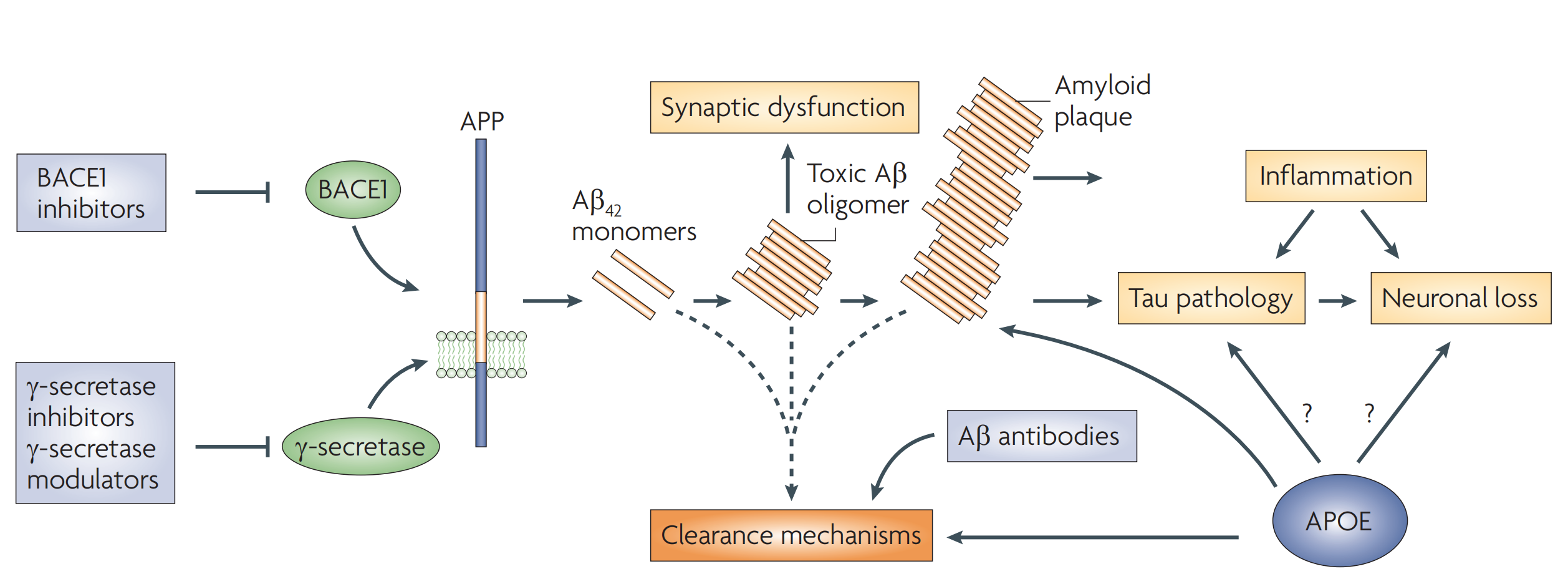
2新希望:瞄准“元凶”的武器来了? 抗Aβ治疗策略[2、3]:Aβ由APP经β-分泌酶(BACE1)和γ-分泌酶连续作用产生。正常情况下,Aβ生成与其蛋白水解降解保持平衡,但多种因素可导致Aβ过度产生和聚集。靶向Aβ的策略包括:调节Aβ生成、抑制Aβ聚集、增强Aβ降解以及免疫疗法。
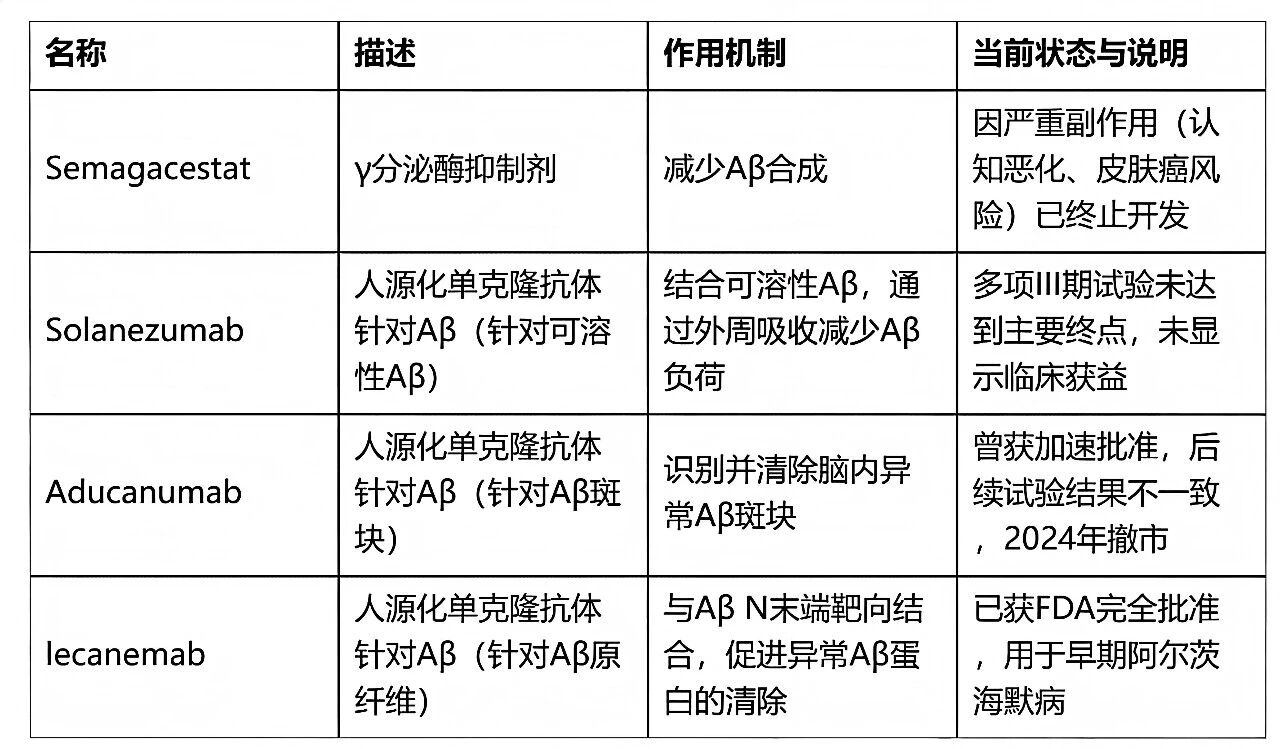
图2 Aβ的级联反应 抗Aβ治疗策略中部分化合物的作用机制[8、9、10、11]
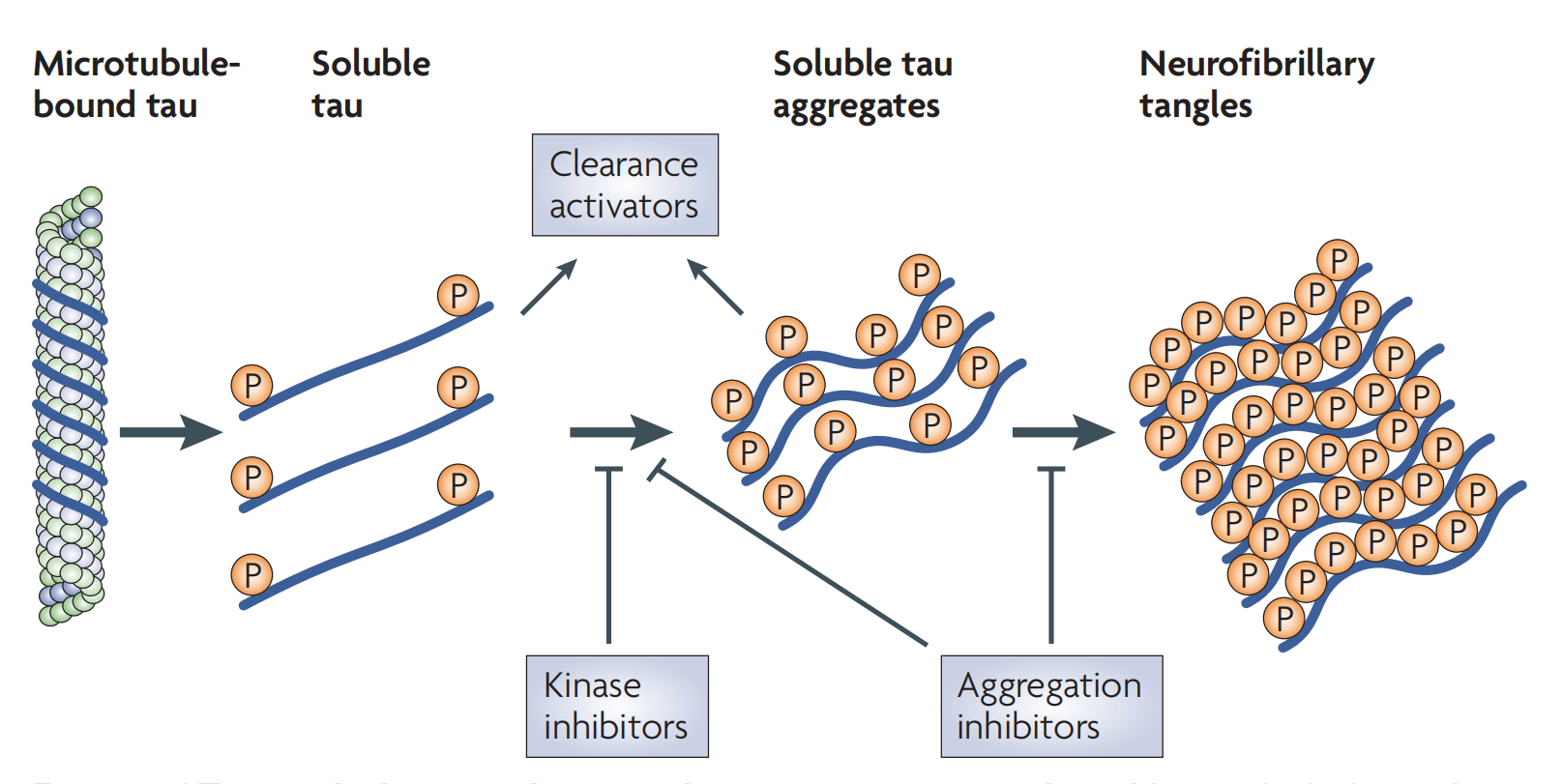
Tau导向疗法[2、3]:在阿尔茨海默病中,tau蛋白被过度磷酸化,导致其从微管上脱落,形成可溶性聚集体和不可溶性成对螺旋丝,最终形成神经纤维缠结。微管失稳(损害轴突运输)、可溶性高磷酸化tau及纤维性tau的直接毒性效应均参与tau介导的神经退行性变。面对tau蛋白,科学家也在尝试抗磷酸化策略(激酶抑制剂),提高tau清除率和tau聚集体降解,可惜多数III期试验结果不理想,这条路依然漫长。
图3 Tau蛋白的病理机制 目前处于临床研究中的药物治疗策略包括:[12、13、14] 免疫疗法:针对释放到神经元外的不同形态tau蛋白(如semorinemab、gosuranemab),但部分III期试验未达到主要终点。 小分子聚集抑制剂:如LMTX(III期),设计用于溶解现有纤维。 激酶抑制剂:如tideglusib(II期),旨在减少tau过度磷酸化。
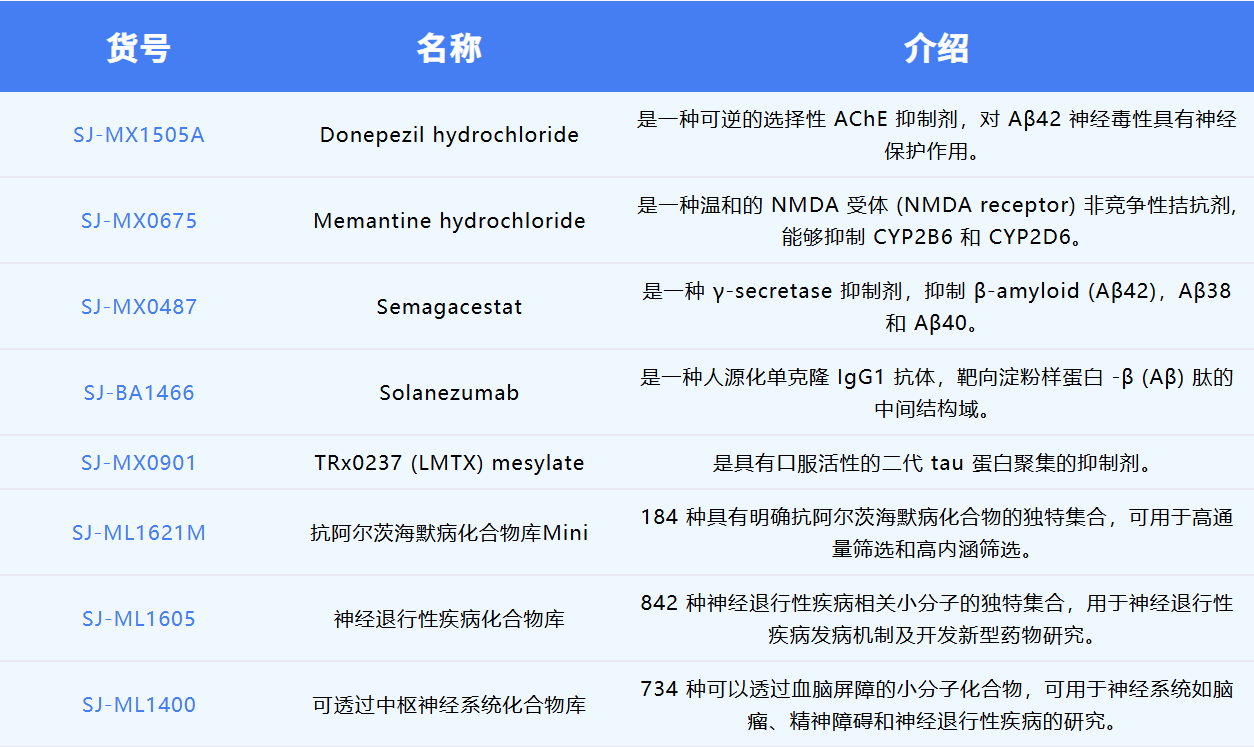
04总结与展望 05相关化合物及分子库推荐:
[1] Liu E, et al. Updates in Alzheimer's disease: from basic research to diagnosis and therapies. Translational Neurodegeneration. 2024 Sep 4;13(1):45. [2] Zhang J, et al. Pathological mechanisms and treatment progression of Alzheimer’s disease. European Journal of Medical Research. 2025 Jul 14;30(1):625. [3] Citron M. Alzheimer's disease: strategies for disease modification. Nature reviews Drug discovery. 2010 May;9(5):387-98. [4] Mori E, et al. Efficacy and safety of donepezil in patients with dementia with Lewy bodies: results from a 12-week multicentre, randomised, double-blind, and placebo-controlled phase IV study. Psychogeriatrics. 2024;24(3):542–54. [5] Farlow MR, et al. A 24-week, randomized, controlled trial of rivastigmine patch 133 mg/24 h versus 46 mg/24 h in severe Alzheimer’s dementia. CNS Neurosc Ther. 2013;19(10):745–52. [6] Lim AWY, et al. Galantamine for dementia due to Alzheimer’s disease and mild cognitive impairment. Cochr Database Syst Rev. 2024;11(11):1747. [7] Schuh O, Khanna D. Review of clinical trials showing the efficacy of memantine in patients with Alzheimer’s disease. Alzheimers Dement.2023;19(S21): e077315 . [8] Doody RS, et al. A phase 3 trial of semagacestat for treatment of Alzheimer's disease. New England Journal of Medicine. 2013 Jul 25;369(4):341-50. [9] Honig LS, et al. Trial of solanezumab for mild dementia due to Alzheimer's disease. N Engl J Med. 2018;378(4):321-330. [10] FDA. Accelerated Approval of Aducanumab. 2021. [11] van Dyck CH, et al. Lecanemab in early Alzheimer's disease. N Engl J Med. 2023;388(1):9-21. [12] Cai W, et al. Comparative the efficacy and safety of Gosuranemab, Semorinemab, Tilavonemab, and Zagotenemab in patients with Alzheimer’s disease: a systematic review and network meta-analysis of randomized controlled trials. Frontiers in aging neuroscience. 2025 Jan 29;16:1465871. [13] Gauthier S, et al. Efficacy and safety of tau-aggregation inhibitor therapy in patients with mild or moderate Alzheimer’s disease: a randomised, controlled, double-blind, parallel-arm, phase 3 trial. Lancet. 2016;388(10062):2873–84. [14] Lovestone S, et al. A phase II trial of tideglusib in Alzheimer’s disease. J Alzheimers Dis. 2015;45(1):75–88. |










 鲁公网安备37011202002434号